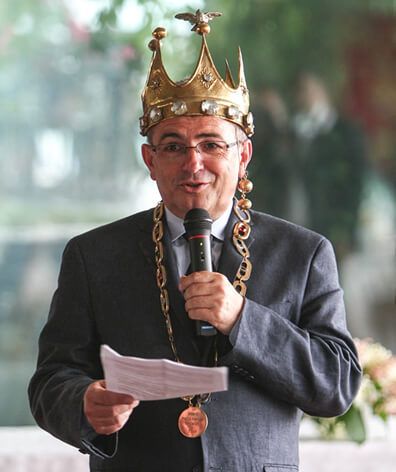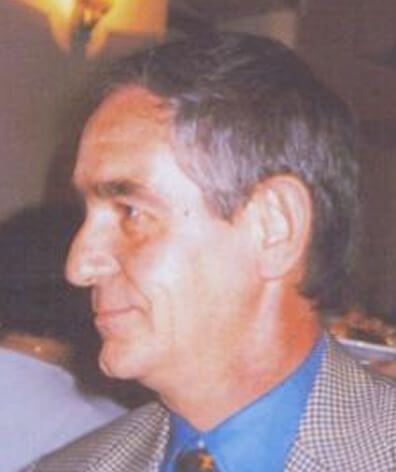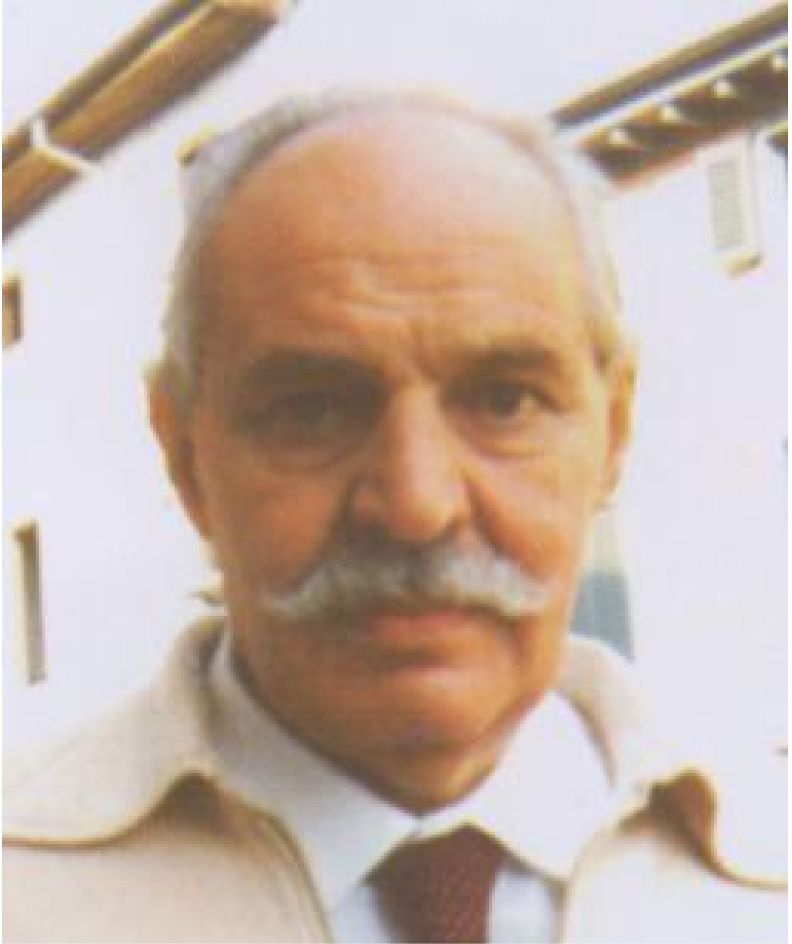
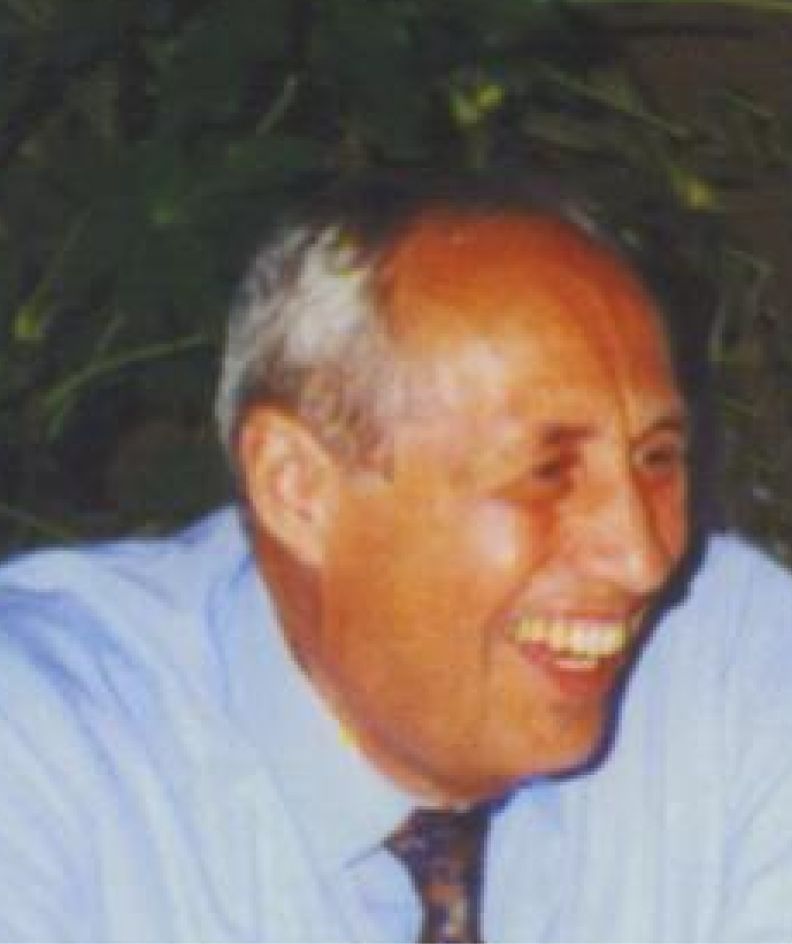
Andrea I - VII Duke of Piazza Pontida
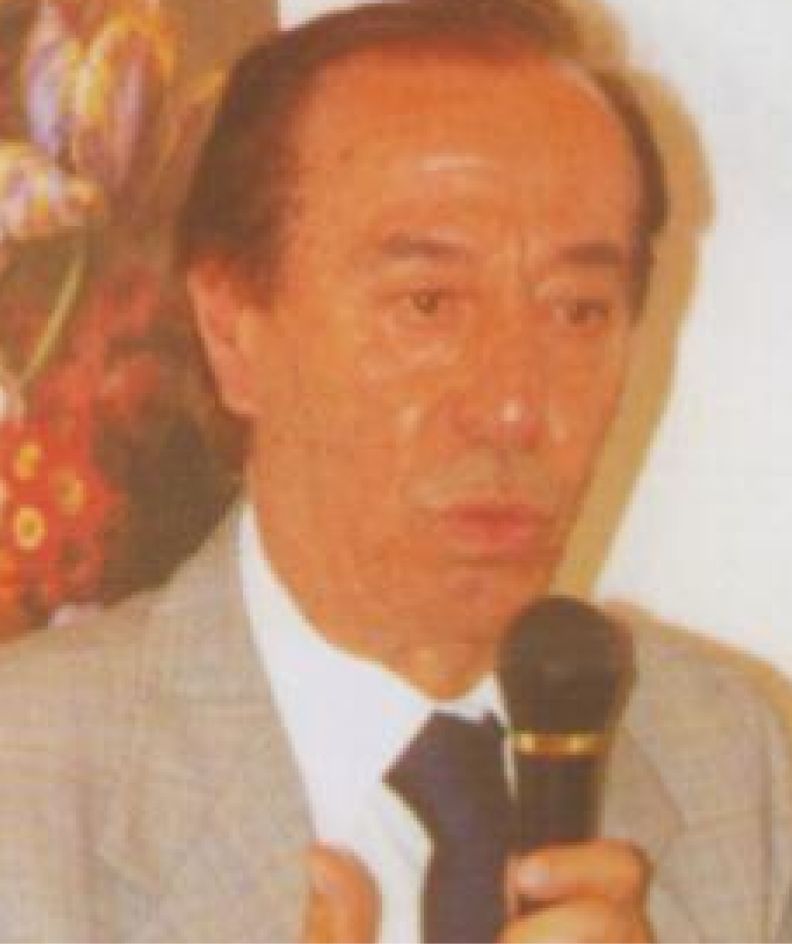
Andrea Gibellini da December 1980 a October 1986
A few weeks after the inauguration of the Ducato’s new headquarters, in premises generously provided by the Banca Popolare di Bergamo, the three-year mandate of Duke Orobico expired, and new elections were consequently called.
The two candidates in the runoff were Dr. Cantini, the outgoing duke, and Dr. Andrea Gibellini, a newly minted J.P. knight.
At this point, the Ducal Senate, the only body responsible for appointing the Duke, was split exactly in half—a situation never before seen in similar past circumstances.
What had happened? If these had been political elections or the like, there would have immediately been cries of scandal, power struggles, or backroom deals; but here, none of that occurred! Those who voted for Cantini wanted to reward and confirm a Duke who had served well during his three-year reign, following tradition.
Those who voted for Gibellini aimed to encourage the Ducato to rejuvenate the organization of its traditional folkloric activities, give new impetus to the "GIOPÌ," and above all, ensure the Banca Popolare di Bergamo that the premises would be used with the utmost care, as generously granted.
Given the particular situation, before calling a new Senate session, it was deemed appropriate to hold a very restricted meeting, attended—besides the two candidates—by the Vice Duke of the time, Avv. Tino Simoncini, and the Captain of Justice, Dr. Alberto Miraglia. After a calm and objective examination of the pros and cons of the two possible solutions, Dr. Cantini, with a gesture of great courtesy, decided to step back, thus clearing the way for Dr. Gibellini, who, at the new Senate election, obtained an almost plebiscitary vote.
The newly appointed Duke—who took the name ANDREA I—threw himself with the enthusiasm of a newcomer into a world entirely new to him; yet his professional experience, combined with the ability to get straight to the heart of matters, allowed him to quickly grasp the new challenges. He earned the esteem, trust, and confidence of his closest collaborators, smoothing inevitable frictions and assigning each well-defined tasks and responsibilities whenever possible: Carmelo Francia to the actual management of the "GIOPÌ," surveyor Franco Folzi to the organization of the traditional Mid-Lent celebrations, and Abele Ruggeri to the responsibility of the Theater Review. He welcomed suggestions and guidance from all sources and rationalized the multiple activities in an almost managerial way, under the motto: "Bring the Ducato to the people, to bring the people to the Ducato."
The first commitment of the new Duke was the establishment of a dialect school, initially chaired by Prof. Vittorio Mora, an undisputed expert in Bergamasque history and literature, and shortly thereafter succeeded by Carmelo Francia, who still leads it today.
The publication of the "GIOPÌ" has always absorbed the largest portion of the already scarce financial resources, but with the arrival of the new Duke, new and valid collaborations were mobilized, such as those of Mario Locatelli, Franco Irranca, Stefano Rovaris, and esteemed caricaturists like Vania Russo and Silvana Capelli, enriching our biweekly with new and interesting regular columns. To ensure a more substantial presence of floats and costumed groups at the traditional Mid-Lent festival, the new Duke created two competitions with attractive prizes, awarded based on a ranking by a qualified commission, so that in some years, participating groups reached nearly a hundred.
Given the excellent results obtained and considering the intention of the Civic Administration at the time to launch tourist initiatives, Dr. Gibellini agreed with them to organize an International Folklore Festival, in which the Ducato would assume responsibility for the organization, providing its resources and experience, while the Municipal Administration would intervene with a substantial non-repayable contribution.
This folkloric ritual has been repeated since 1983, delighting Italian and foreign tourists, as well as residents, who thus celebrate, in a fitting manner, their return to the city after the summer holidays and, at the same time, the feast of their patron saint. More than twenty years later, this remains one of the most qualifying and prestigious initiatives the Ducato has ever undertaken, turning Bergamo into a center of attraction and interest for those who follow folkloric performances and see it as a privileged way to meet and learn about other peoples and cultures.
Another initiative, born during the reign of Duke ANDREA I, is the Regional Dialect Theater Review, now in its XXIII edition, whose success has been supported by the quality of the authors of the texts, long neglected, the acting preparation of the companies and actors, and an increasingly mature cultural audience.
In recent years, however, a slight reversal of trend has been recorded, to be considered, to some extent, a success, since the decline in theater attendance finds some explanation in a kind of "competition," due to the considerable spread of dialect performances in the province, which we like to think was also contributed to by the Ducato of Piazza Pontida, as is indeed its specific purpose.
In the constant handling of recurring bureaucratic practices, authorizations, permits, and everything related to the activities that belong to it, the Ducato is often required to accompany its documentation with the presentation of its statute. Our staff regularly provides this by delivering our “regnò.”
"ORDERS AND CHAPTERS OF THE DUCATO OF PIAZZA PONTIDA" (reworked by the Vice Duke of the time, Avv. Costantino Simoncini, following a previous text) was written—not in the dry and cold notarial form, but in the more playful, ornate style typical of the medieval chivalric era, capturing the amused attention of the Bergamasque public. Perhaps for these reasons, the text was considered too lacking in the prescribed bureaucratic requirements, so Duke ANDREA I was practically forced to rework a new statutory text, largely changing the original, charming, and pleasant version.
Duke ANDREA I reigned for six years, from 1981 to 1986. His closest collaborators, friends, and numerous admirers exerted strong pressure for him to accept a third investiture; however, Dr. Gibellini firmly declined, albeit with evident and sincere regret, citing that his professional activity was facing new demanding commitments: two years later, he would be appointed General Director of Credito Varesino.
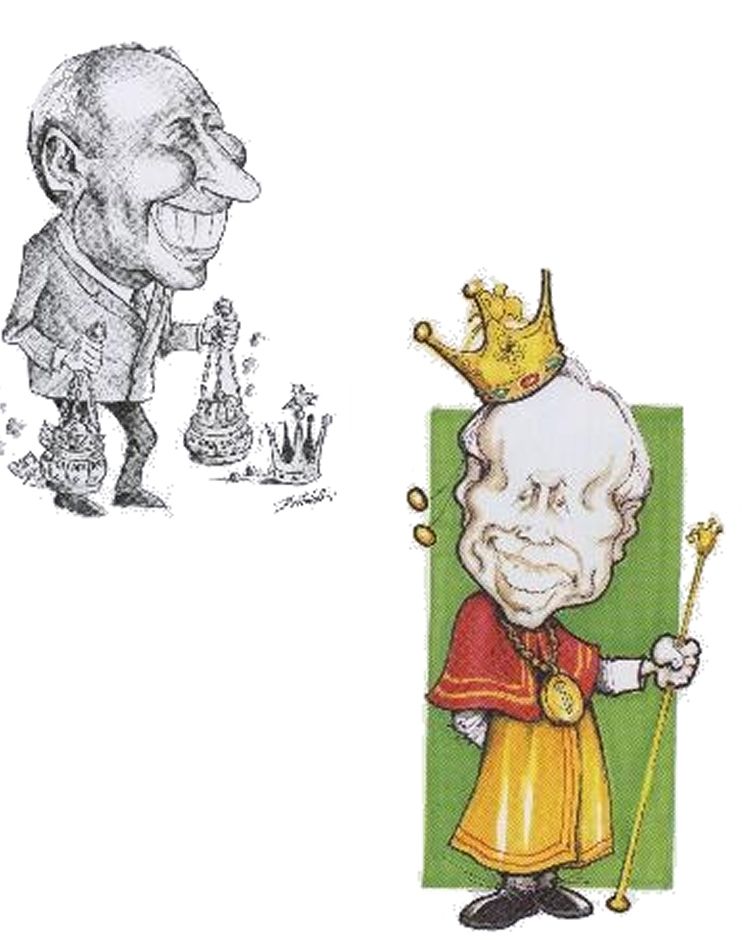
The caricature of the duke