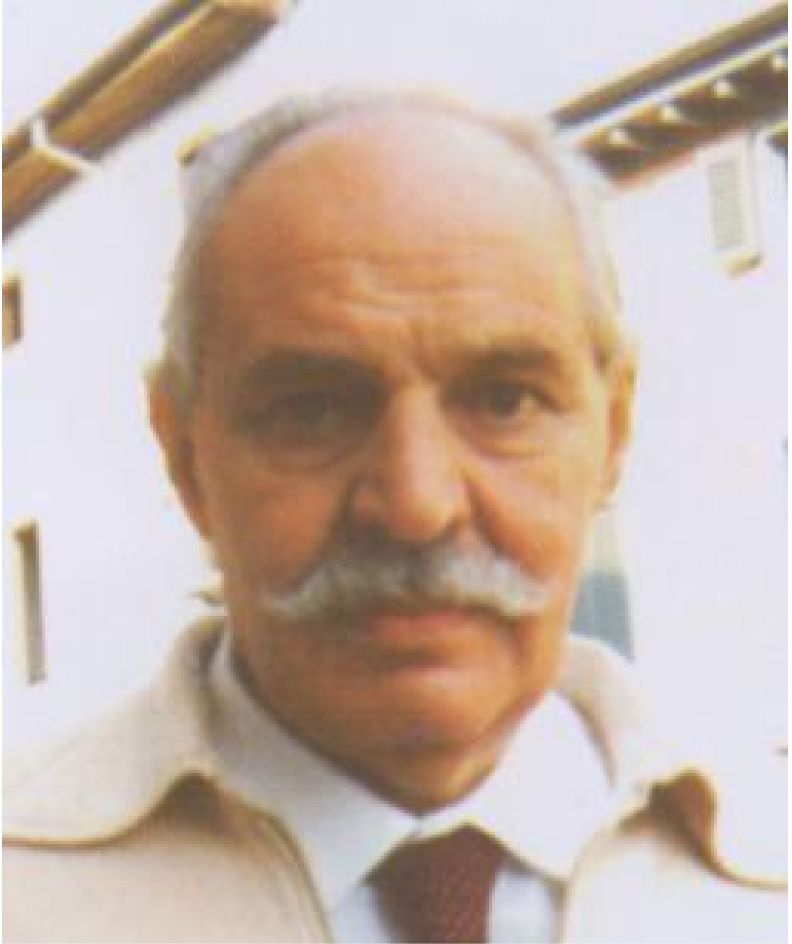
Brasca Ü - IX Duke of Piazza Pontida
Francesco Barbieri da October 1989 a March 1999
I met Francesco Barbieri in the 1970s, when we both served on the board of Italia Nostra, where reports of abuses—beginning to spread throughout the country during the years of the first economic boom—were collected and reviewed. In his role as a journalist, Barbieri was perfect for maintaining relations with the city and regional press and drafting reports on these abuses or on missed interventions to protect artistic and cultural heritage.
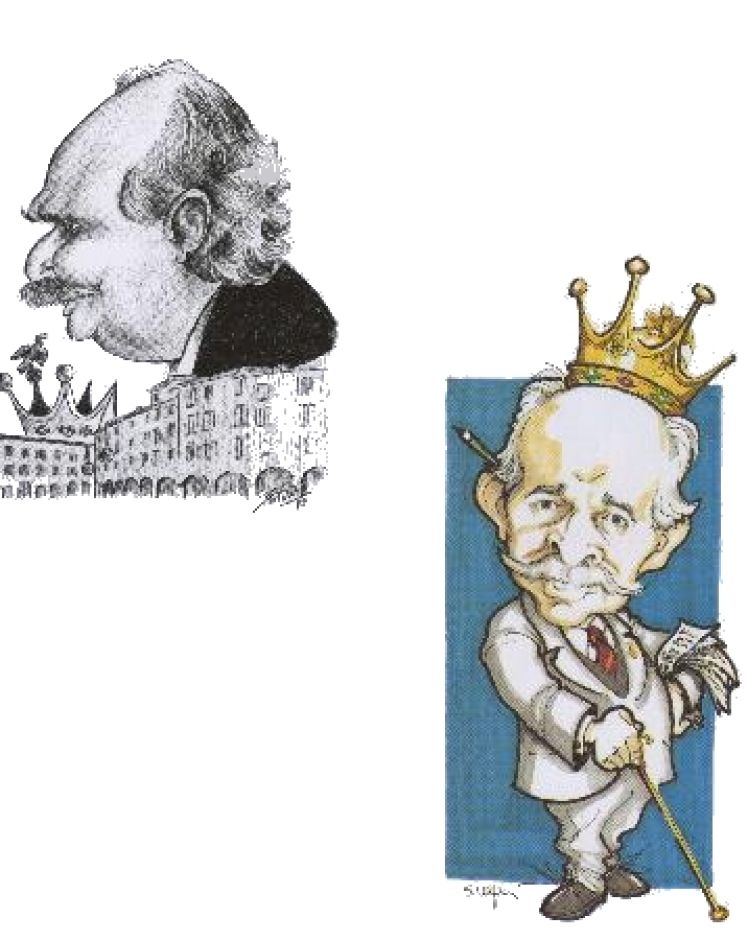
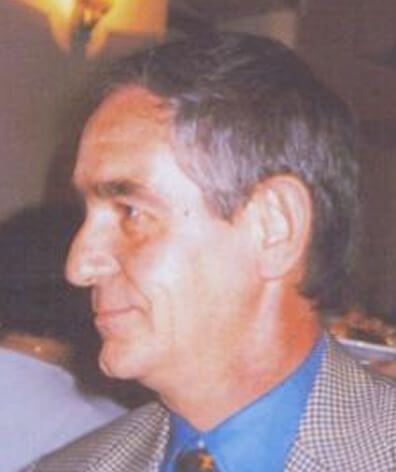
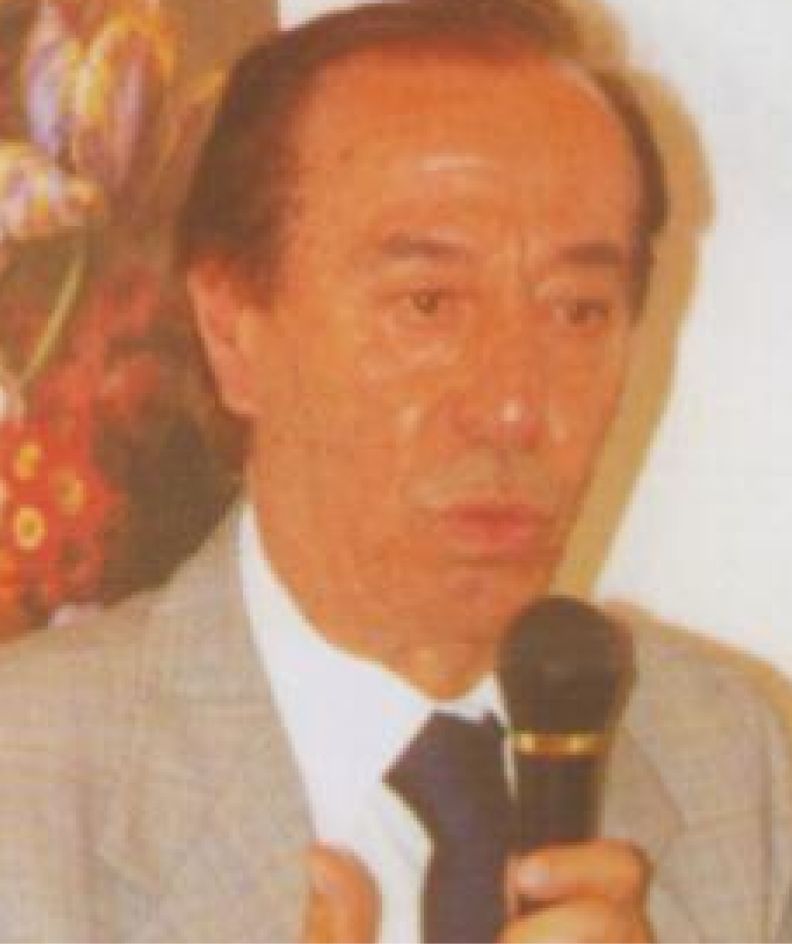
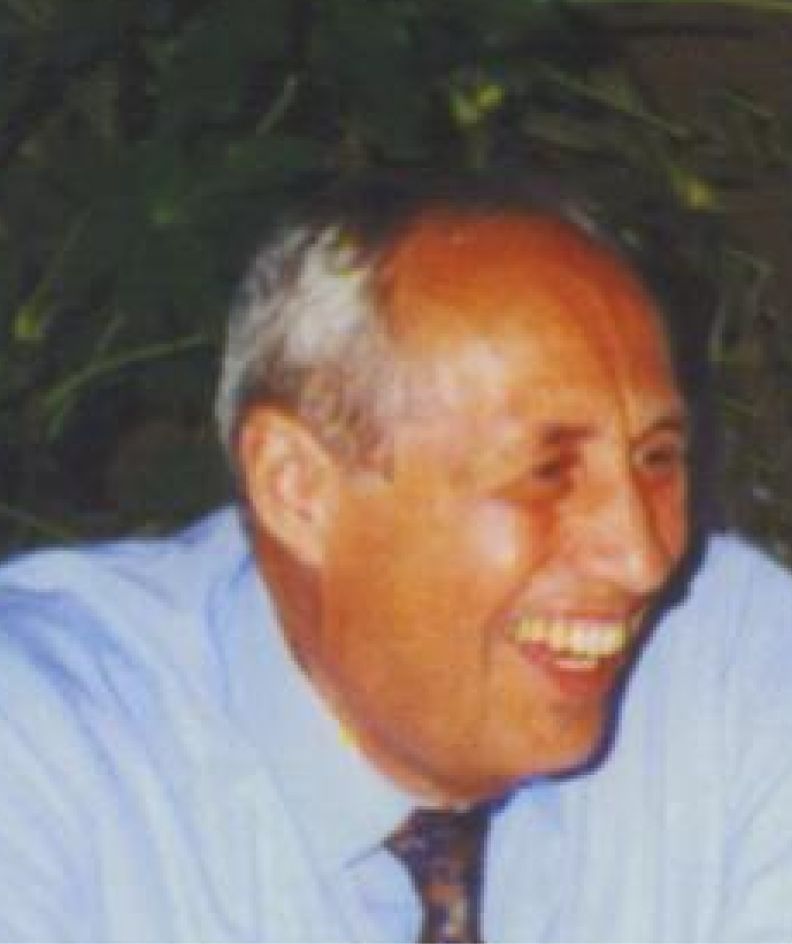
Later, due to our respective professional commitments, I only saw him occasionally, until he reappeared on the horizon of the Ducato di Piazza Pontida. Francesco Barbieri possessed all the qualities necessary to assume the role of a true Duke, starting with the “physique du rôle,” second only to the incomparable PICHETÙ I: a stature between that of a grenadier and a cuirassier, a broad forehead marked by early balding, crowned by soft hair reminiscent of Richard the Lionheart, and a face framed by two imposing Umberta-style mustaches, a solid base for a nose with a resolute profile.
One might imagine a gladiator-like Duke, ready to strike right and left. Instead, nothing of the sort: Barbieri was a tolerant man, even more a conciliatory man, who patiently and persistently sought peaceful solutions to any dispute, almost always successfully.
During his nearly ten-year mandate, one could count on one hand the number of times he became truly angry, pounding his fists on the table, or had to reluctantly remove those who opposed him, comforted in these unpleasant circumstances by the solidarity of his closest collaborators.
By principle, he avoided forming isolated cliques, even though, in terms of preparing and executing the Ducato’s many activities, he assigned clear and precise responsibilities to each participant; but no closed or reserved circles.
It is also noteworthy that in over 35 years of journalism, during a turbulent period marked by protests and the Red Brigades, Francesco Barbieri was never subject to a lawsuit. This demonstrates his professional rigor regarding truth, faithfully embodying the young adage, “seek what unites and not what divides.”
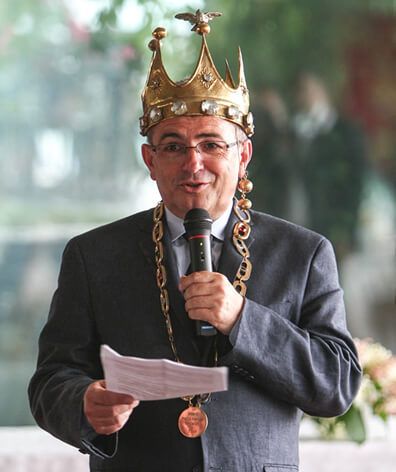
Francesco Barbieri was first elected to the ducal throne in 1989 and re-elected three more times, reflecting the growing esteem and admiration he earned both within the Ducato and beyond. He was solemnly crowned Duke during a sumptuous banquet at the Cristal Palace, where he took the name BRASCA Ü, recalling the pseudonym he used to sign his columns published in the Milanese evening newspaper LA NOTTE. Unfortunately, his final appointment proved fatal, as a severe heart condition took him just weeks after his fourth election, at the peak of his physical and intellectual faculties. However, in his preceding nine years of reign, he accomplished many remarkable achievements.
Drawing on his journalistic experience, he focused first on the biweekly publication of GIOPÌ, aiming to make the content of its pages more consistent and up-to-date, enriching them with caricatures and photographs, carefully crafting headlines, subheads, and captions to give a quick insight into each article.
He was a great master of journalism for all of us, although—not all collaborators, myself included—fully appreciated it. He was particularly obsessed with changing the GIOPÌ masthead. This was widely discussed among collaborators, with most in favor, while a small minority, ironically composed of the oldest members of the Ducato, opposed it. Their resistance was rooted in their attachment to the masthead created in 1984 by the three newspaper founders—Teodoro Piazzoli, Benvenuto Trezzini, and Annibali Casartelli—and strongly influenced by Alberto Maironi’s clever caricature, the "head of GIOPÌ," who, along with his brother Cesare, also created the bronze statue of Giuseppe Garibaldi now located at the Rotonda dei Mille. The new masthead was commissioned to ducal graphic designer Vania Russo, who did an excellent job, appreciated even by the nostalgic minority.
Alongside his journalistic experience, Barbieri brought to the Ducato a respected background in public administration, having served on the Bergamo City Council as a Liberal during the Zaccarelli administration, as well as being a member of the MIA, Opera Pia Misericordia Maggiore.
As already noted in the biography of Duke Andrea Gibellini, previous statutory texts were often found inadequate by common sense, requiring adjustments to the Ducato’s formal Statute, drafted by Vice Duke Avv. Costantino Simoncini. After only a few years, even Dr. Gibellini’s statute was deemed insufficient bureaucratically and was repealed.
Guided by these experiences, Duke BRASCA Ü decided, in close collaboration with the current Vicario Duke Dr. Goggi (who had drafted the first statute appearing in GIOPÌ in 1966), to prepare a new draft statute fully meeting the Ducato’s needs, which was then reviewed by a highly competent notary, ensuring the text was flawless from any bureaucratic or fiscal perspective.
Thus, the draft of the fourth statute passed fiscal review, was read and approved in a Ducal Senate meeting, and signed by all Ducal Senators before the notary. In this way, BRASCA Ü, IX Duke of Piazza Pontida, set a model for all his successors to ensure the Ducato’s long life through a new statutory text and, above all, through his personal example of integrity and tolerance.
The caricature of the duke